VA Loan Appraisal: What Washington Veterans Need to Know
By Terry Leinneweber · May 23, 2026
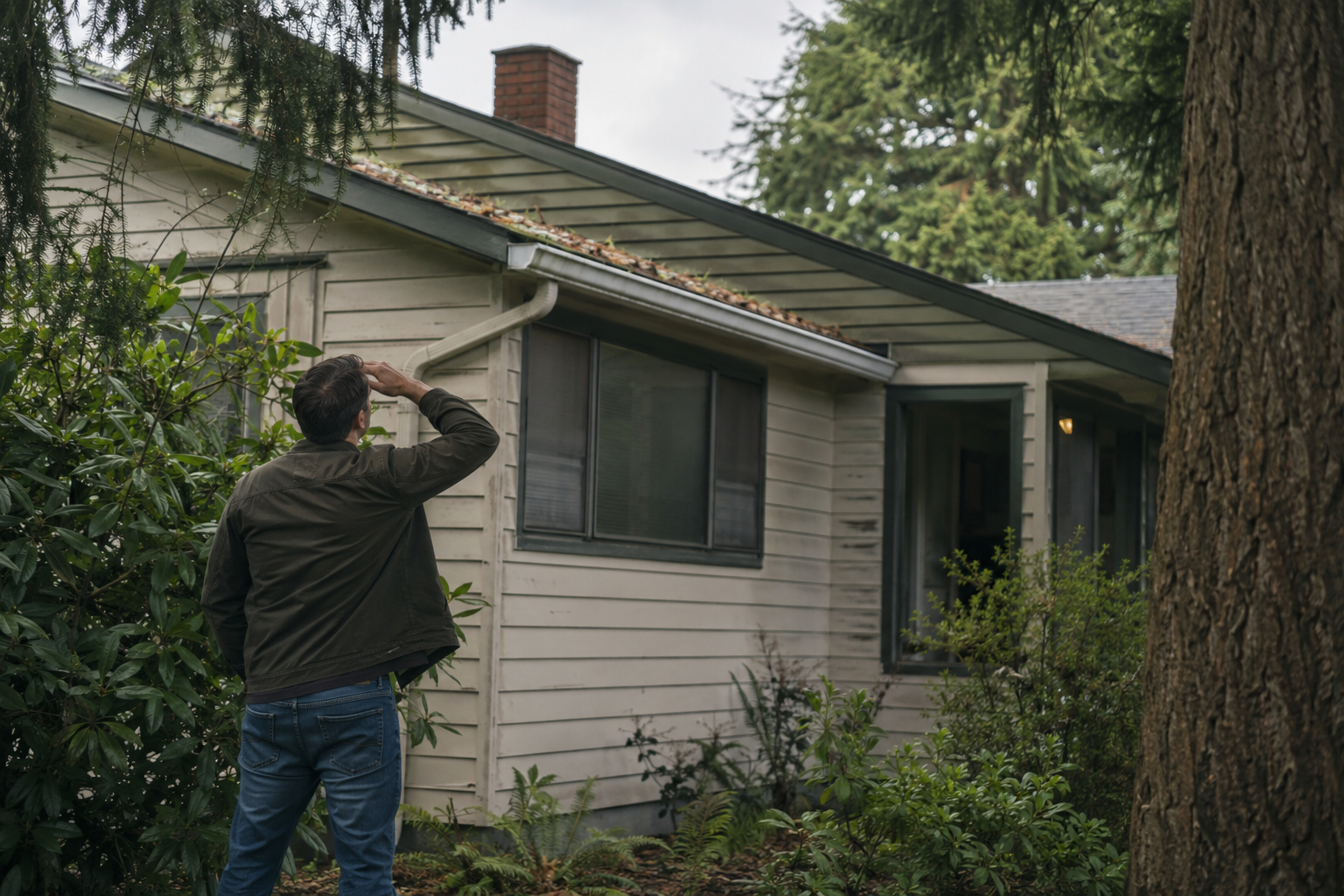
The VA appraisal has a reputation for killing deals. Most of it is myth. Here's exactly how it works, what it checks, and how to choose homes that sail through it.
VA Loan Appraisal: What Washington Veterans Need to Know Before Making an Offer
The VA appraisal has a reputation problem.
Ask veterans who have lost a deal and they will tell you the appraisal killed it. Ask listing agents in competitive markets and some will quietly steer sellers away from VA offers because of it. Ask buyers who went conventional instead and many will tell you they did it to avoid VA appraisal risk.
Most of that reputation is based on outdated information, misunderstood requirements, and a handful of bad experiences that got passed around until they became received wisdom.
The VA appraisal is not a deal-killer for prepared buyers. It is a property screen, and once you understand what it is actually checking, you will know which homes to target, which ones to skip, and how to keep your transaction on track from offer to closing.
What the VA Appraisal Actually Is
A VA appraisal does two things simultaneously, and this is where most buyers get confused.
First, it establishes market value. The VA-assigned appraiser evaluates the home and compares it to recent sales of similar properties in the area to confirm the purchase price is reasonable. This is identical to what any lender's appraisal does on a conventional or FHA loan.
Second, it confirms the property meets the VA's Minimum Property Requirements, known as MPRs. MPRs are in place to ensure homes purchased with VA loans are safe, structurally sound, and sanitary. They protect buyers, lenders, loan servicers, and the VA. A home can meet VA appraisal requirements with some defects, but nothing that compromises those three pillars.
Both evaluations happen in the same visit by the same appraiser. The result is a Notice of Value, or NOV, which is the VA's formal determination of the property's appraised value and MPR status.
What the VA Appraisal Is Not
This distinction matters and it trips up buyers constantly.
The VA appraisal is not a home inspection. VA appraisers are looking only to assure the home meets the MPRs, but they may miss other issues that a home inspector could catch. Home inspectors will take a thorough look at the foundation, the roof and attic, the functionality of major appliances and systems including HVAC, plumbing, and electrical, and other interior and exterior issues.
The VA appraisal will not catch a water heater that is three years from failure, a slow drain that will need replacing in two years, or minor electrical issues behind walls. It is a safety screen, not a comprehensive condition report.
Get a separate home inspection on every VA purchase. Home inspection costs typically range from $300 to $500, with an average around $343. That cost is the best money you spend in the transaction. The appraisal protects the VA's investment. The home inspection protects yours.
What the MPRs Actually Cover
MPRs target safety, soundness, and habitability, not cosmetics. Dated carpet, old paint on post-1978 homes, worn countertops, minor nail pops, and outdated fixtures do not fail a VA appraisal. Appliances are not inspected or tested. A home can be ugly and still pass MPRs. The appraiser is checking whether the property is safe to live in, not whether it is move-in ready by the buyer's standards.
Here is what the appraiser is actually evaluating.
Roof. The roof must have sufficient remaining life to protect the property. Most lenders interpret this to mean at least three years of remaining useful life. Appraisers note missing or damaged shingles, evidence of leaks, sagging sections, or roofs that appear to be at the end of their lifespan, though the inspection is done from the ground.
Foundation and structure. The home's foundation must be stable without significant cracks, settling, or other issues that threaten structural integrity. Appraisers look for evidence of foundation problems like doors that do not close properly or sloping floors.
Mechanical systems. The electrical system must be safe and adequate for the home's needs. Appraisers look for obvious hazards like exposed wiring or makeshift connections. The property needs a continuous supply of safe, sanitary water. The plumbing system must function properly with decent water pressure and proper drainage.
Water and septic. Homes on public water and sewer systems generally satisfy these requirements without issue. Homes with private wells require water testing to confirm the supply is safe. Homes with septic systems may require a septic inspection to verify the system is functioning and appropriately sized.
Drainage and moisture. Appraisers look for proper grading, functional gutters and downspouts, and no evidence of water intrusion. Standing water near the foundation or poor grading can cause serious structural problems over time.
Lead-based paint. The appraiser will note any visible signs of peeling or damaged paint in areas where lead-based paint is likely, specifically in homes built before 1978. If lead-based paint is suspected, further evaluation may be needed. This is one of the most common conditions on older Washington homes, particularly in Seattle neighborhoods with significant pre-1978 housing stock. Chipping or peeling paint on a pre-1978 exterior or interior requires repair before closing.
Access. The property must include year-round street access to the home and be safely accessible without the need to pass through neighboring properties. Private roads must be managed by a homeowner's association and include a permanent easement.
What Changed in 2026
Two significant MPR updates took effect on May 1, 2026, and both are good news for veteran buyers.
As of May 1, 2026, detached structures such as sheds and garages are no longer required to meet VA MPRs. Under the previous standard, a detached structure had to comply with MPRs to be included in the appraised value, and any structure that failed had to be excluded. Keep in mind that if a detached structure poses a health or safety hazard to the occupants or affects the soundness of the main dwelling, the appraiser may still flag it under VA's general hazard provisions.
Additionally, the radon-resistant construction certification requirement has been removed for new construction appraisals ordered after the same date.
Both changes reduce friction for veteran buyers and eliminate two categories of conditions that previously delayed or complicated transactions.
What Happens If the Appraisal Flags a Problem
A VA appraisal that identifies an MPR issue does not automatically kill your deal. It creates a condition that must be resolved before closing.
The appraiser flags the issue as subject to repair. The seller typically makes the repair, the appraiser re-inspects at a flat fee of $150, and the deal continues. If the seller refuses, the buyer can renegotiate, request an escrow holdback if the lender allows, or terminate using the VA escape clause.
The VA escape clause is a standard provision in VA purchase contracts that allows the buyer to walk away without penalty if the property does not meet VA standards. It is a protection that conventional buyers do not have in the same form.
Re-inspection fees are $150 flat. If multiple MPR items fail, each may require a separate re-inspection, and each adds time to the closing. This is why pre-offer screening matters: identify obvious MPR problems before going under contract.
If the appraised value comes in below the purchase price, the VA escape clause again protects you. You can renegotiate the price, make up the difference in cash, or walk away. Your earnest money is protected.
How to Choose Homes That Pass Cleanly
This is the practical knowledge that separates veterans who close smoothly from those who lose weeks to re-inspections.
During showings, look for soft floors, significant cracks, and water staining, because those are fast indicators of issues the appraiser cannot ignore. If crawlspace issues are visible, assume the fix may involve drainage or moisture control, which often does not fit into a short closing window.
In Washington specifically, the most common MPR triggers on older homes are peeling paint on pre-1978 exteriors, roof age and condition, crawlspace moisture, and drainage issues around foundations, particularly in the wet western Washington climate. Eastern Washington homes are less likely to have crawlspace moisture but may have older mechanical systems that need attention.
Homes built after 1978 in reasonable condition with a maintained roof, functioning systems, and no visible moisture or structural issues almost always pass without conditions. Newer construction passes without comment in the overwhelming majority of cases.
Work with a real estate agent who understands VA loan requirements. An experienced agent will help you screen properties before you write an offer, flag obvious MPR risks during showings, and write your offer in a way that protects your earnest money throughout the process.
The Bottom Line
The VA appraisal is not a bureaucratic obstacle designed to make your homebuying harder. It is a property protection built into a benefit program that already gives you zero down, no PMI, and competitive rates.
The three-word summary of what it checks: safe, structurally sound, and sanitary. A well-maintained home in reasonable condition meets that standard without drama in the vast majority of transactions.
Veterans who understand the process, choose their properties thoughtfully, and work with a loan officer and agent who know VA lending, close without surprises. That is the norm, not the exception.
Ready to start your VA home search in Washington with a loan team that knows the appraisal process inside and out?
Schedule a free 15-minute call and we will walk through your VA eligibility, your target market, and what to look for in properties before you make your first offer.